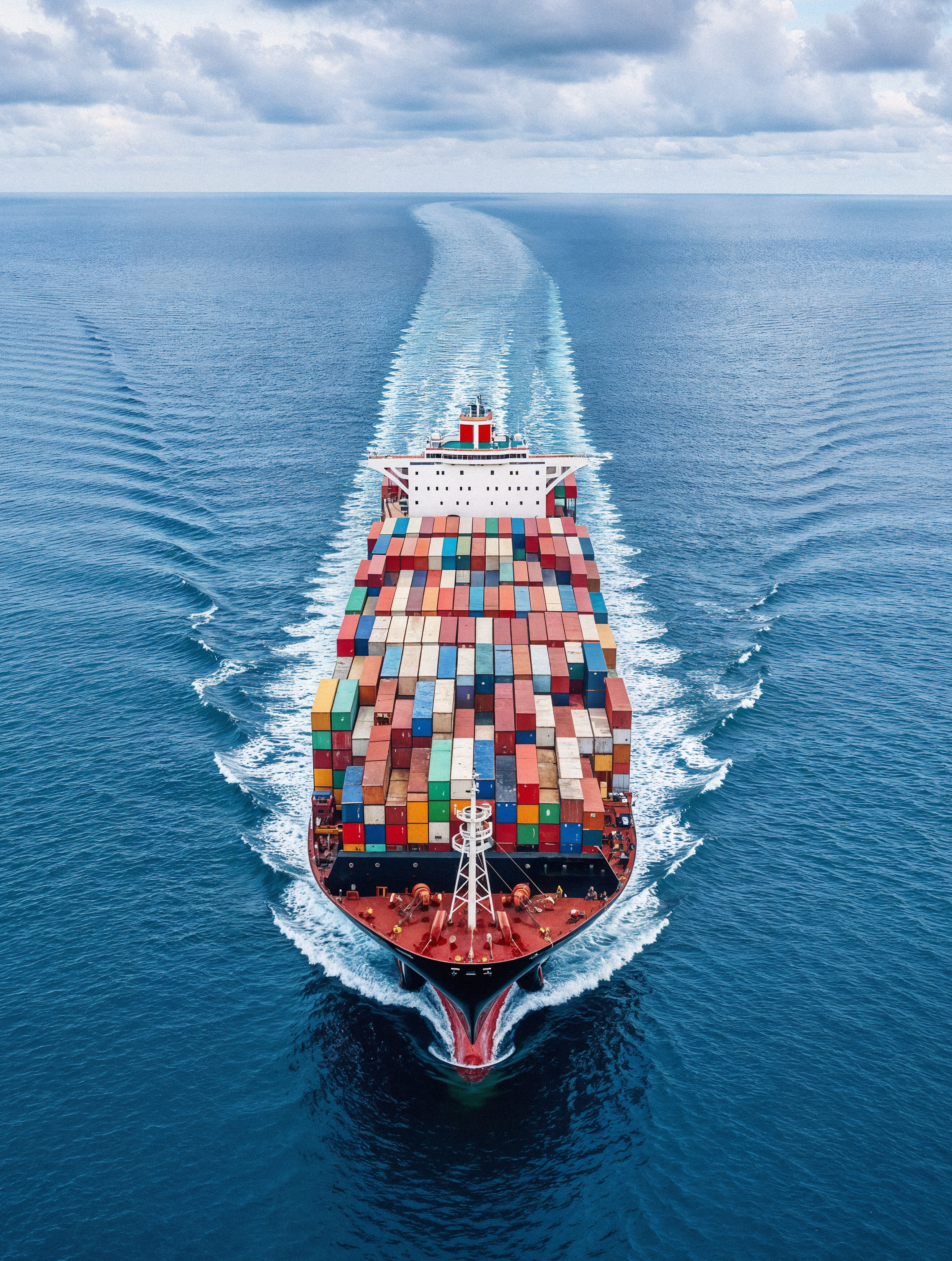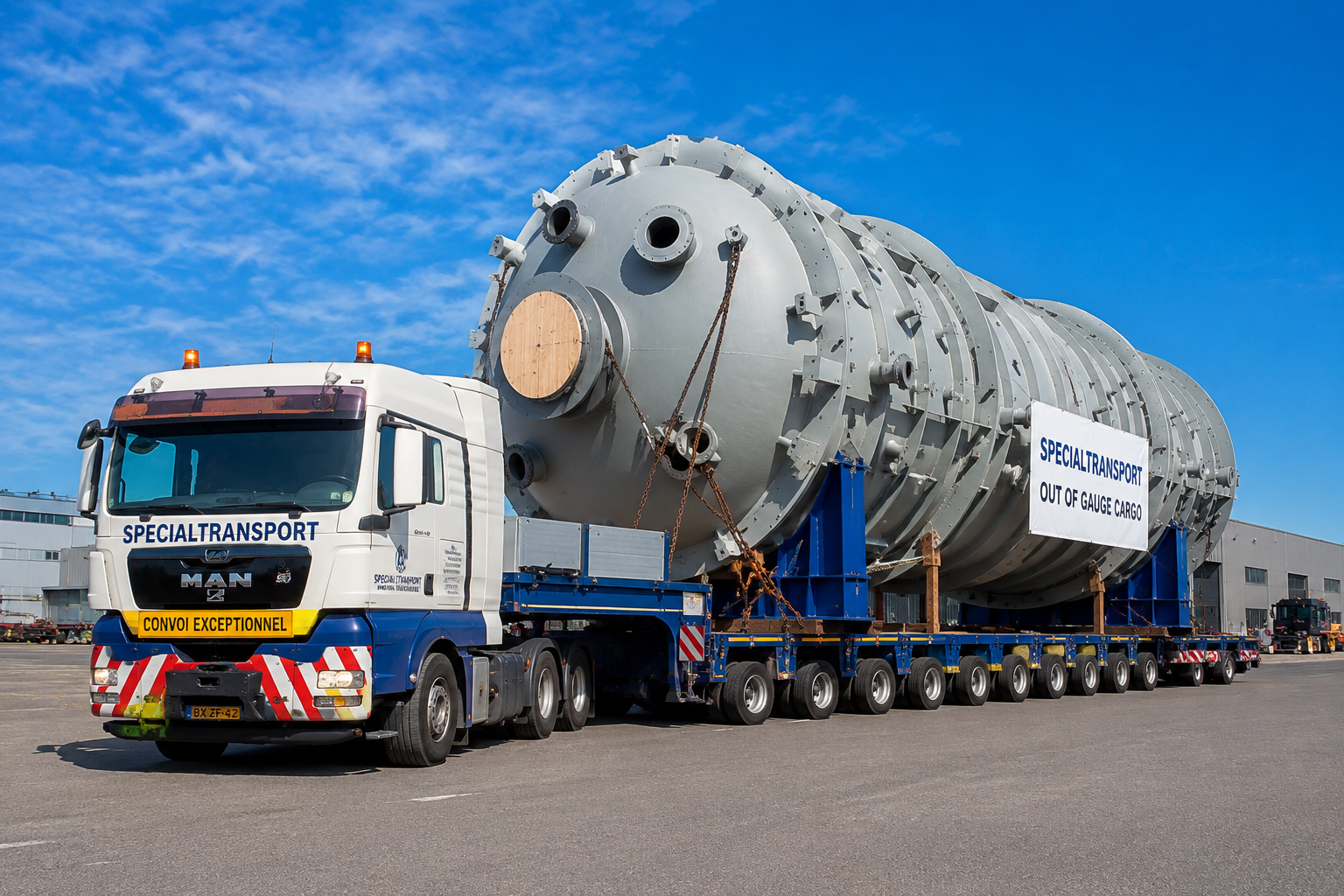

Equipment, timing and paperwork in one place.
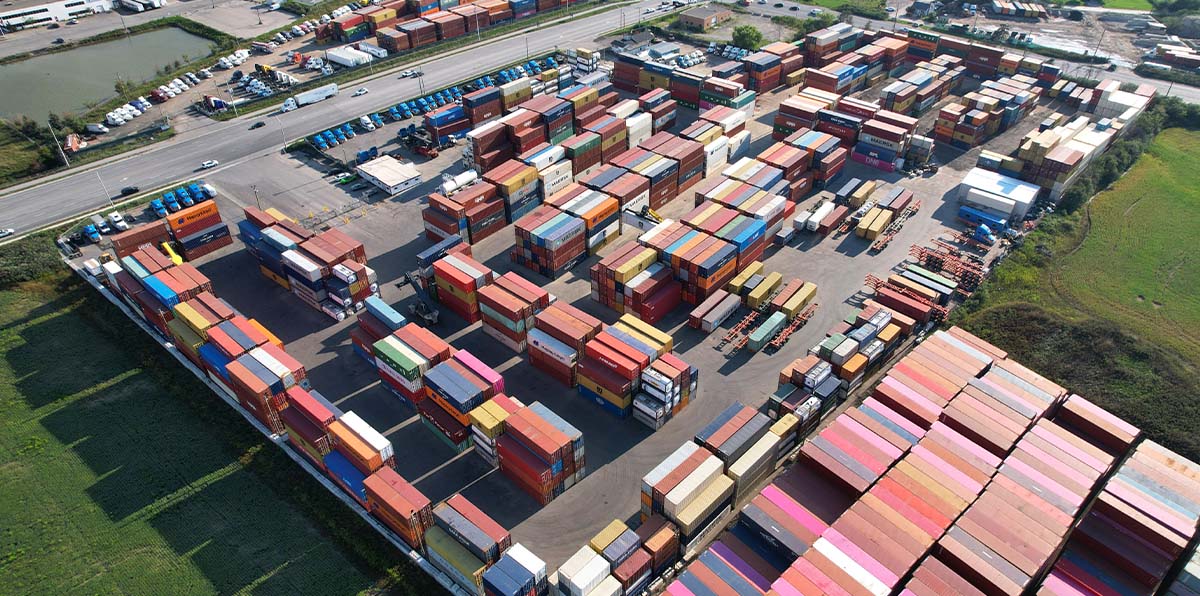
Boxes staged out of our own 300 acres rather than queued for at a terminal, so equipment is where the crop is when the crop is ready.
Container Depot & Equipment Services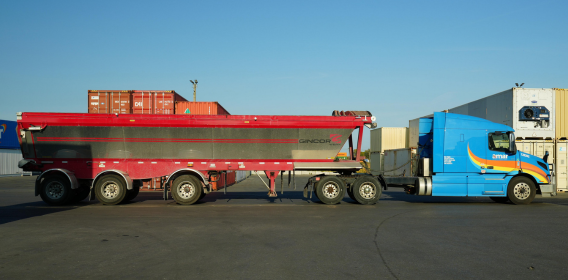
Live-bottom trailers for granular product and reefer capacity for perishables, dispatched from terminals across the network.
Ocean Freight
Marine and domestic conversion where it saves, with consolidation for exporters shipping below full-container volumes.
Custom Clearance & Trade Compliance
Import entries, export declarations, B13A/AES filings and certificates of origin handled by our own customs desk.
Specialized CargoAgricultural freight is the clearest test of whether a logistics company holds anything. Demand arrives in a compressed window, every exporter in the region wants equipment in the same fortnight, and a broker’s answer is that the market is tight.
Amar’s answer is a depot. Empties come off our own yards, drays run on our own trucks, and the export entry is filed by our own desk — which is why harvest capacity can be committed in advance rather than hoped for.
Harvest doesn’t negotiate. The container has to be at the processor clean, on time, in the volume the crop dictates, during the weeks the crop dictates. Miss that window and the product sits — and the freight rate stops being the thing anyone cares about.
Most exporters are queuing for a carrier’s empty at a terminal with other priorities. Amar positions empties out of our own depots, drays from farm and processor to the ramp, transloads where it saves, and files the export declaration in-house — so the paperwork isn’t a second vendor’s timeline sitting on top of the crop’s.


Send us a lane, a commodity and a volume. A pricing analyst responds within one business day with pricing broken out by leg — ocean, customs, rail, drayage and storage — so you can see what each stage costs.
Common questions from agriculture & export shippers.
Earlier than most exporters do. FIGURE NEEDED: confirm the booking lead time to publish for harvest-season commitments
We file in-house. Export declarations, B13A/AES filings and certificates of origin are handled by our own CBSA-licensed desk under Licence No. 3416, on the same file as the freight.
Yes. Genset chassis and plug capacity across the terminal network support temperature-controlled export as well as import, with monitoring on a four to six hour cycle.
Yes. Inbound agricultural and food product moves on the same equipment and through the same clearance desk as export volume, with temperature-controlled capacity for perishables and bonded terminals where duty timing matters.