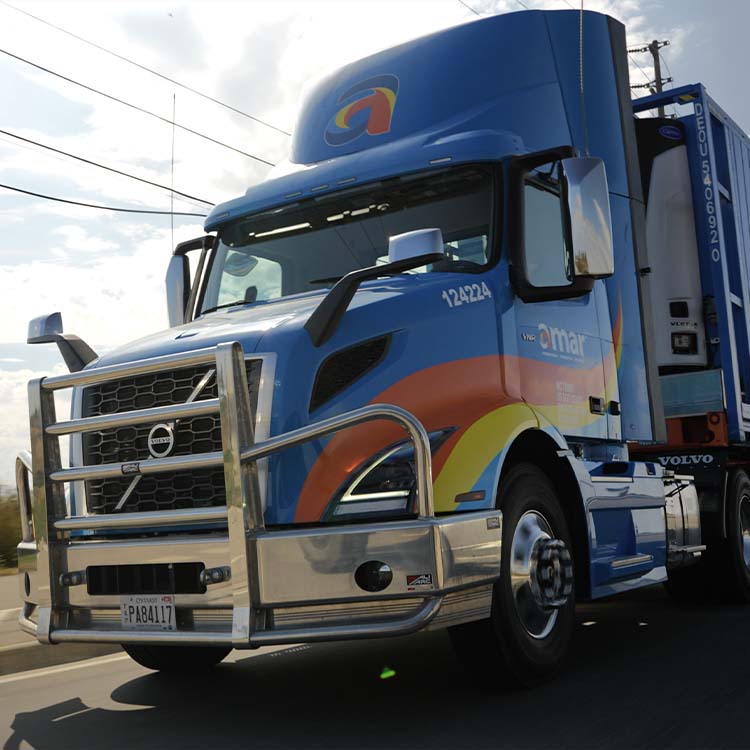
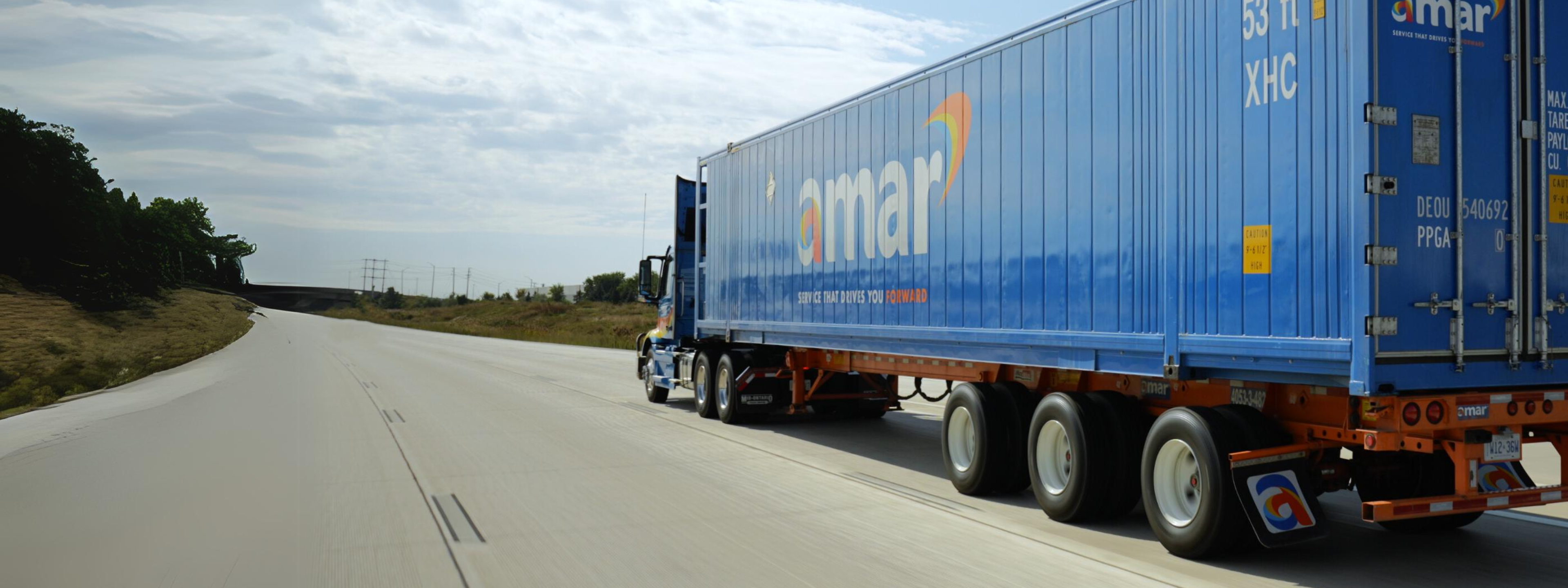
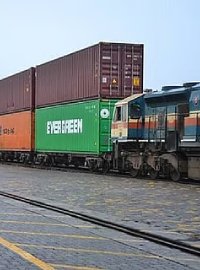
Amar terminals are next to rail on purpose, within minutes of the CN and CPKC intermodal ramps they serve. That geography turns rail from a transit risk into a cost advantage, because the first-mile and last-mile drays that usually erode the rail saving are short, economical and executed on our own equipment.
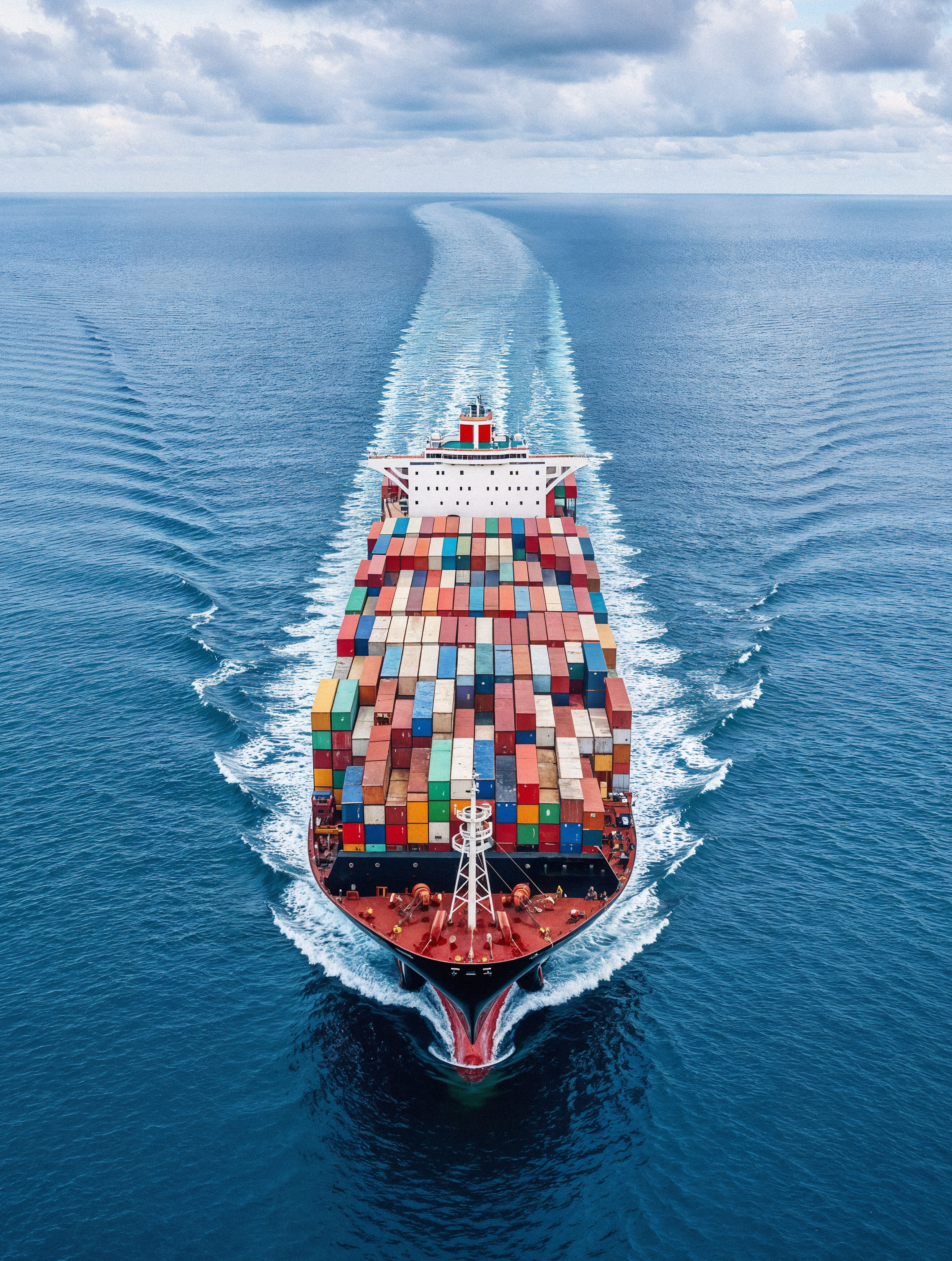
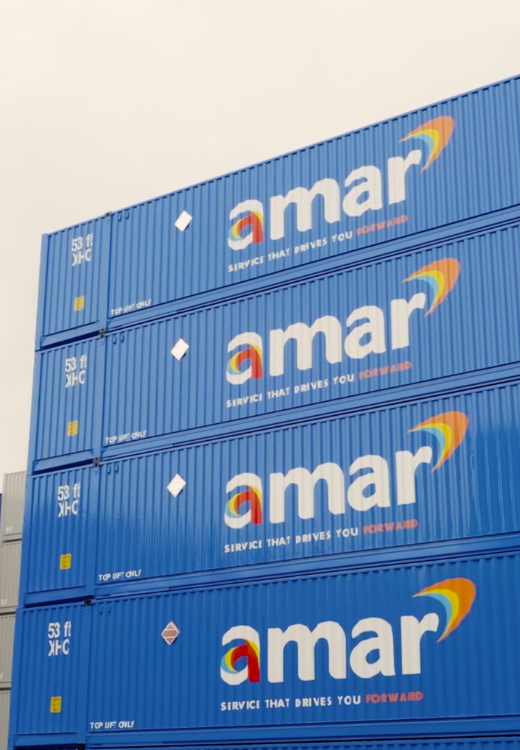
Our marine-to-domestic transload moves cargo out of marine equipment and into 53′ domestic containers, releasing steamship line equipment fast and moving your freight inland at domestic rates. With our own 53′ fleet behind it, that capacity is contractual rather than something we go shopping for when the booking lands.
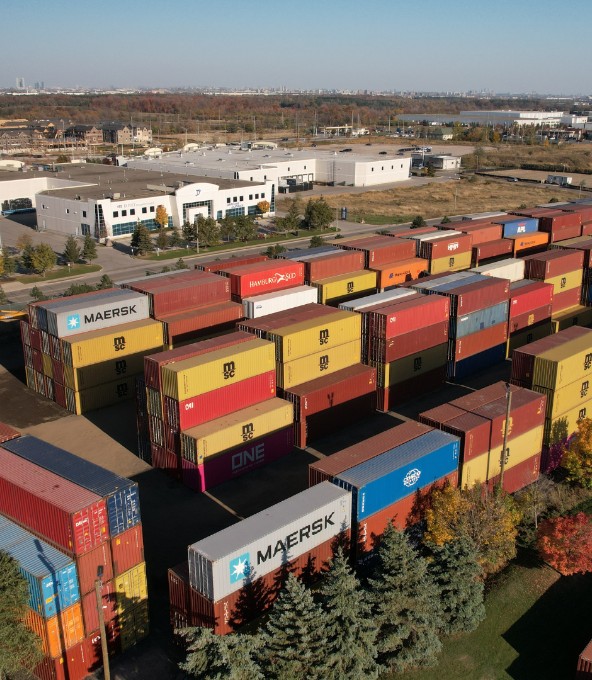
Inland point intermodal on CN and CPKC, with first- and last-mile drays on Amar equipment from terminals beside the ramp.
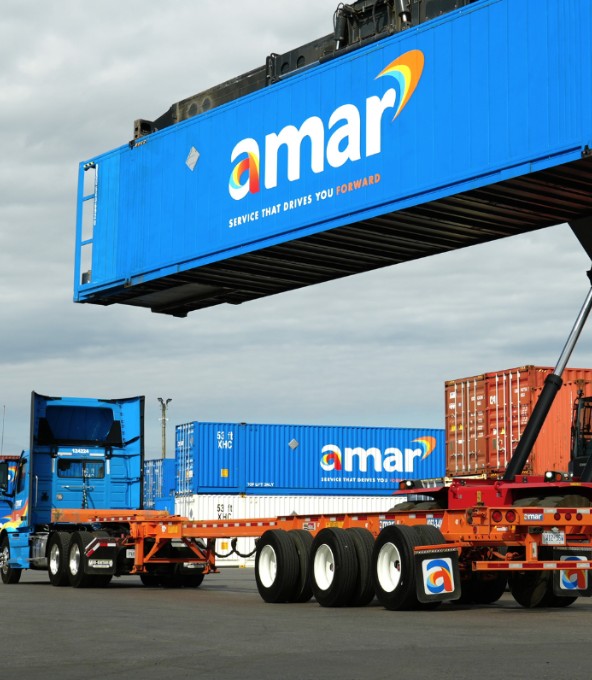
1,000 dry containers — contractual capacity rather than spot-market exposure when volumes spike.
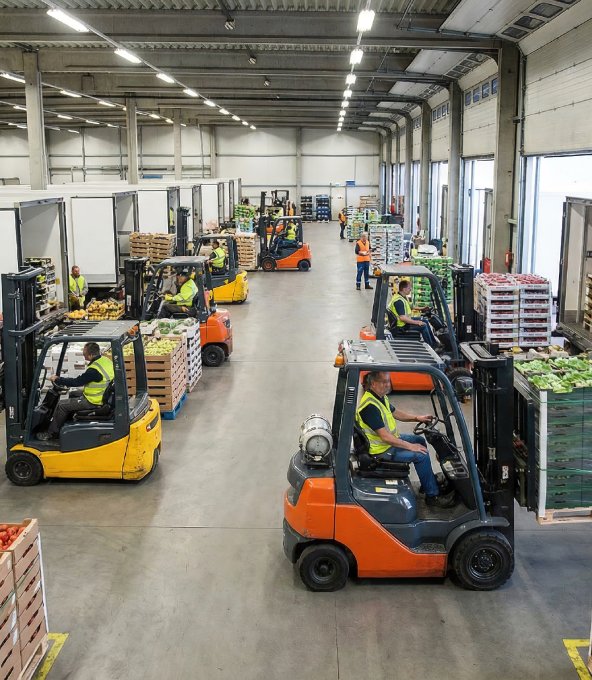
Marine to domestic conversion at our terminals, releasing steamship line equipment fast and cutting the inland cost per unit.
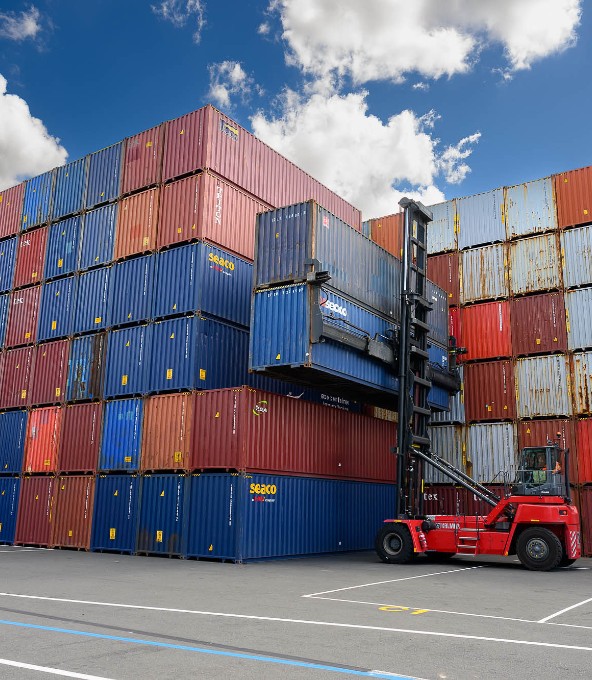
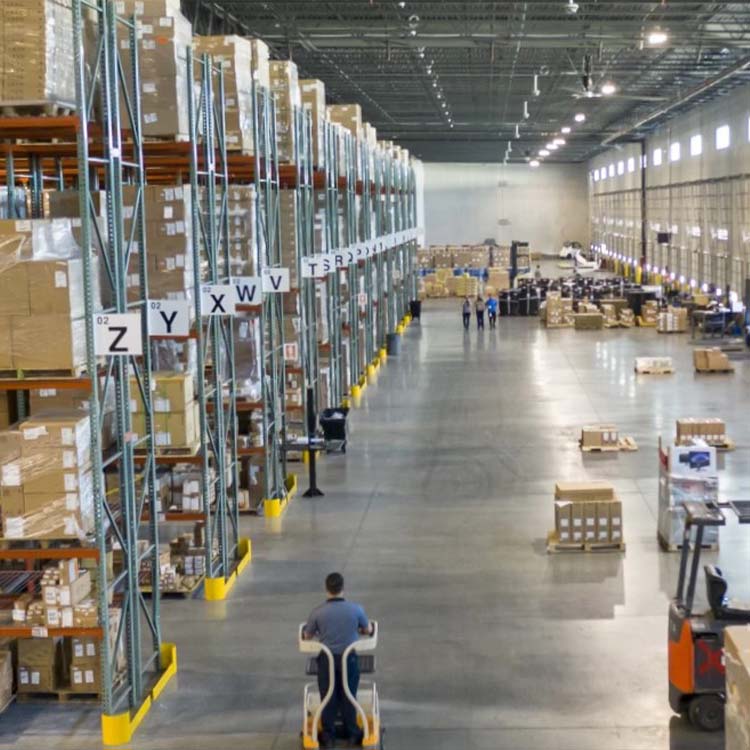
Empties staged from our own depots and held in our own yards between legs, rather than accruing charges at a terminal.
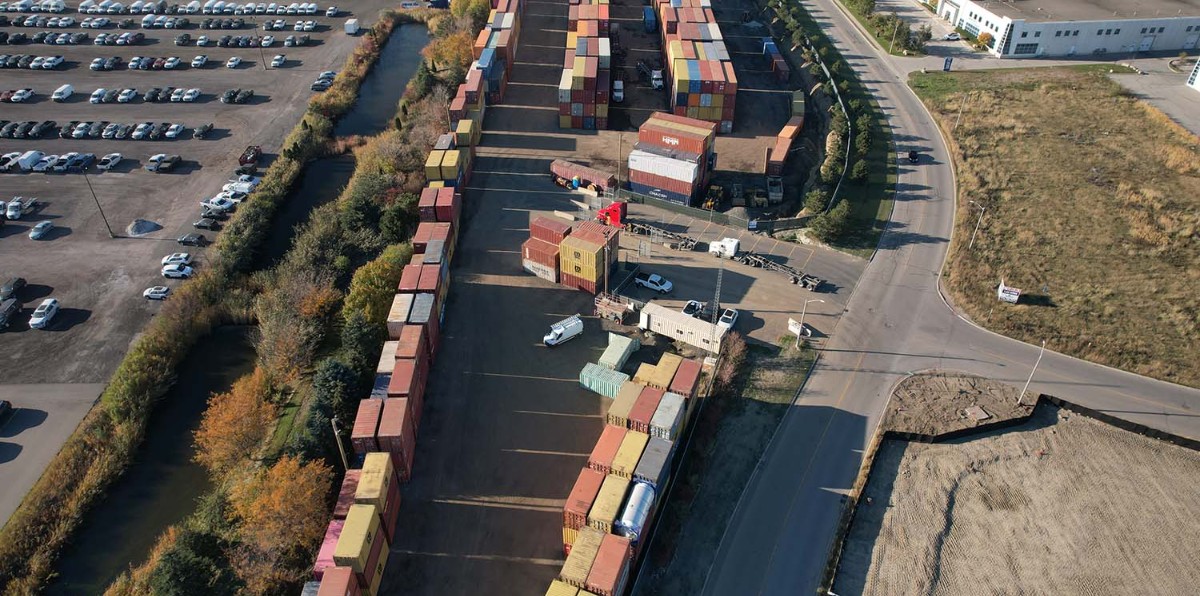
Rail looks cheap on a rate sheet and stops looking cheap once the drays are added. A ramp an hour from the yard, a chassis that isn’t there, a container that grounds somewhere it accrues charges — that’s where the intermodal saving quietly disappears.
Siting terminals beside the ramps removes most of that structurally. The dray is minutes rather than hours, the equipment under it is ours, and the yard the box grounds in is ours too. The saving rail promises is the saving the customer actually receives.

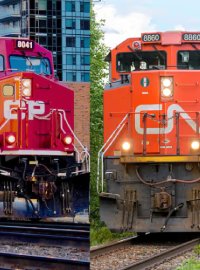
Routing set on CN or CPKC against your inland destination, with the drays priced as separate line items alongside the rail leg.
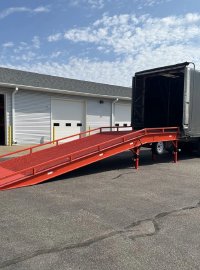
Short first-mile dray on Amar equipment from a terminal minutes from the ramp.
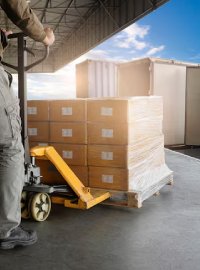
Marine boxes converted into 53′ domestic equipment, releasing carrier containers and lowering the cost per unit inland.
Domestic rail movement in Amar-owned 53′ equipment, with capacity held contractually.
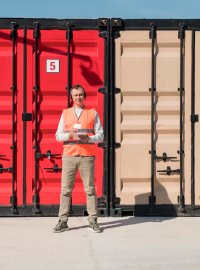
Last-mile dray to the DC or plant on Amar equipment, into the appointment window.

At Amar Group, we pride ourselves by constantly pushing the status quo. We remain dedicated to elevating all aspects of our operations through modernization and have been recognized as industry leaders in exemplary best practices and green initiatives.
CN and CPKC ramps across the Canadian network, with terminals sited beside them. The full facility list, and the gateway each location reaches, is on the network page.
Transloading moves cargo out of marine equipment and into 53′ domestic containers. That releases the steamship line’s equipment fast, avoiding per-diem, and moves the freight inland at domestic rates rather than marine ones.
Yes — 1,000 reefer containers and 1,000 dry containers, which is what makes inland capacity contractual rather than dependent on the spot market.
That’s what storage-in-transit at our own yards is for. Because the box grounds with us rather than at a marine terminal, timing gaps are a scheduling matter rather than a demurrage invoice.


Send us a lane, a commodity and a volume. A pricing analyst responds within one business day with pricing broken out by leg — ocean, customs, rail, drayage and storage — so you can see what each stage costs.