
What a parts programme is measured on.
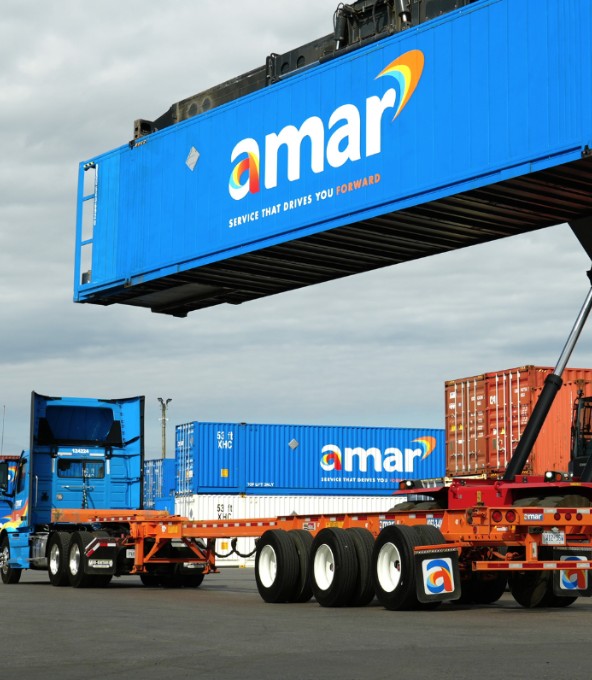
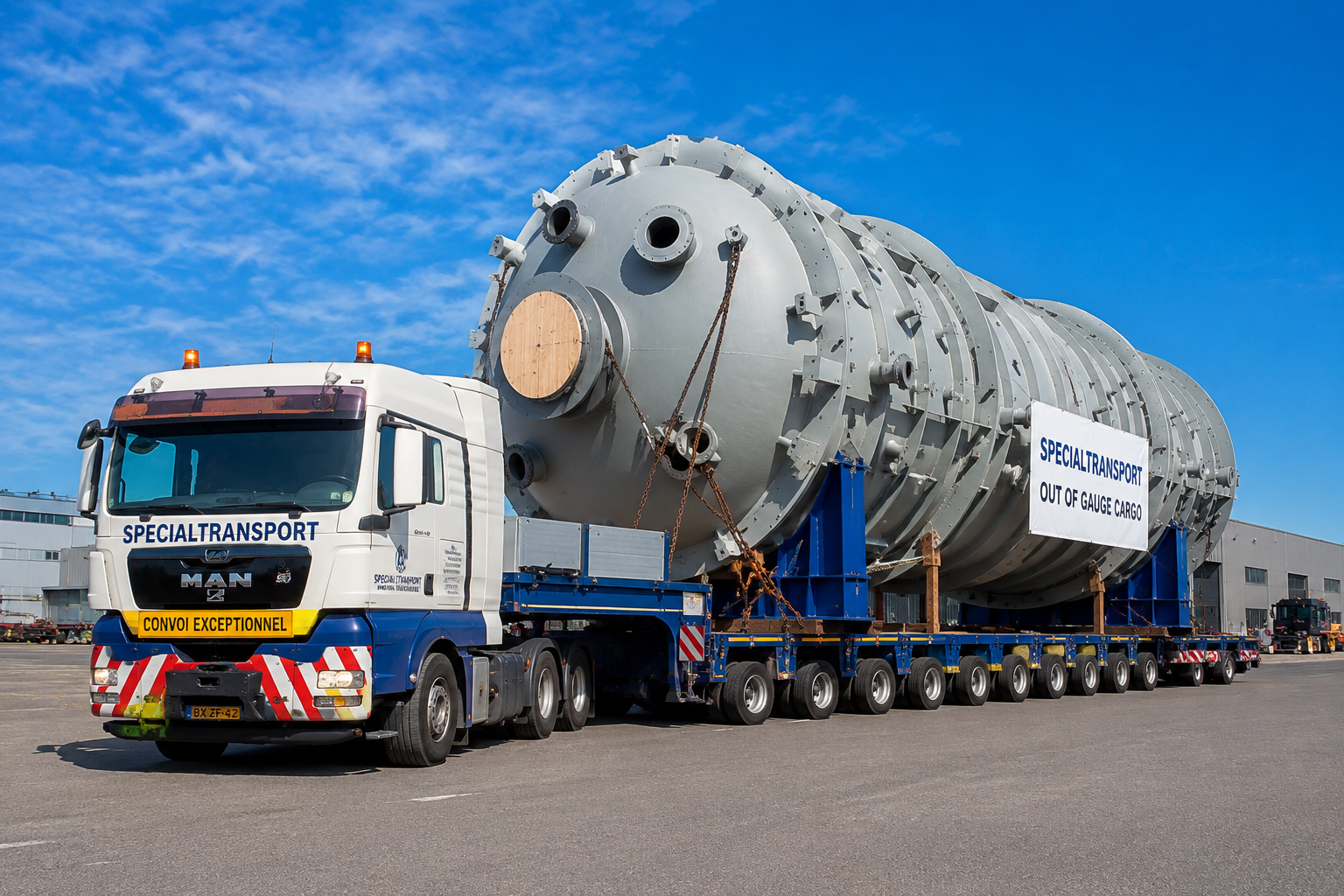
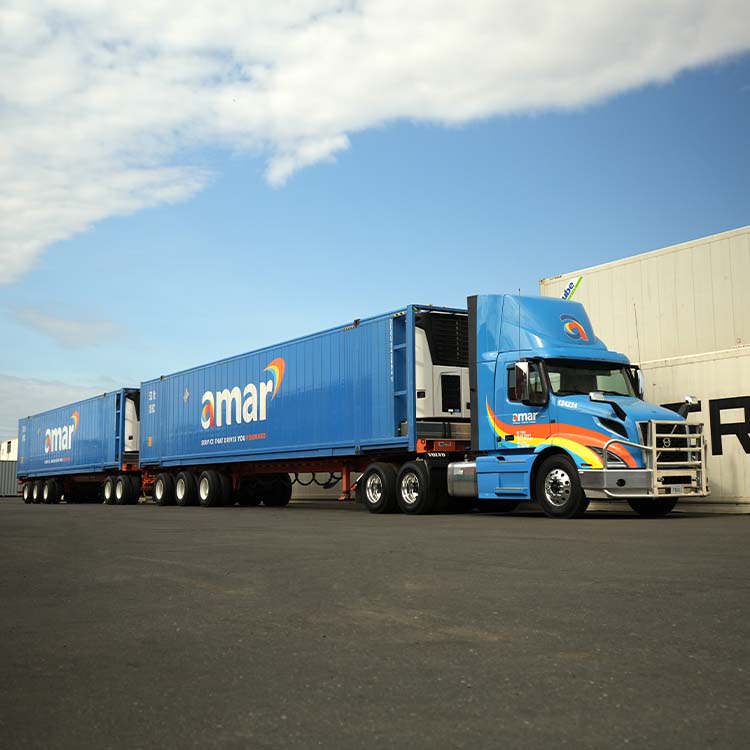
Flatbeds, flat racks and multi-axle chassis for machinery and heavy parts, owned rather than sourced once the booking lands.
Specialized Cargo
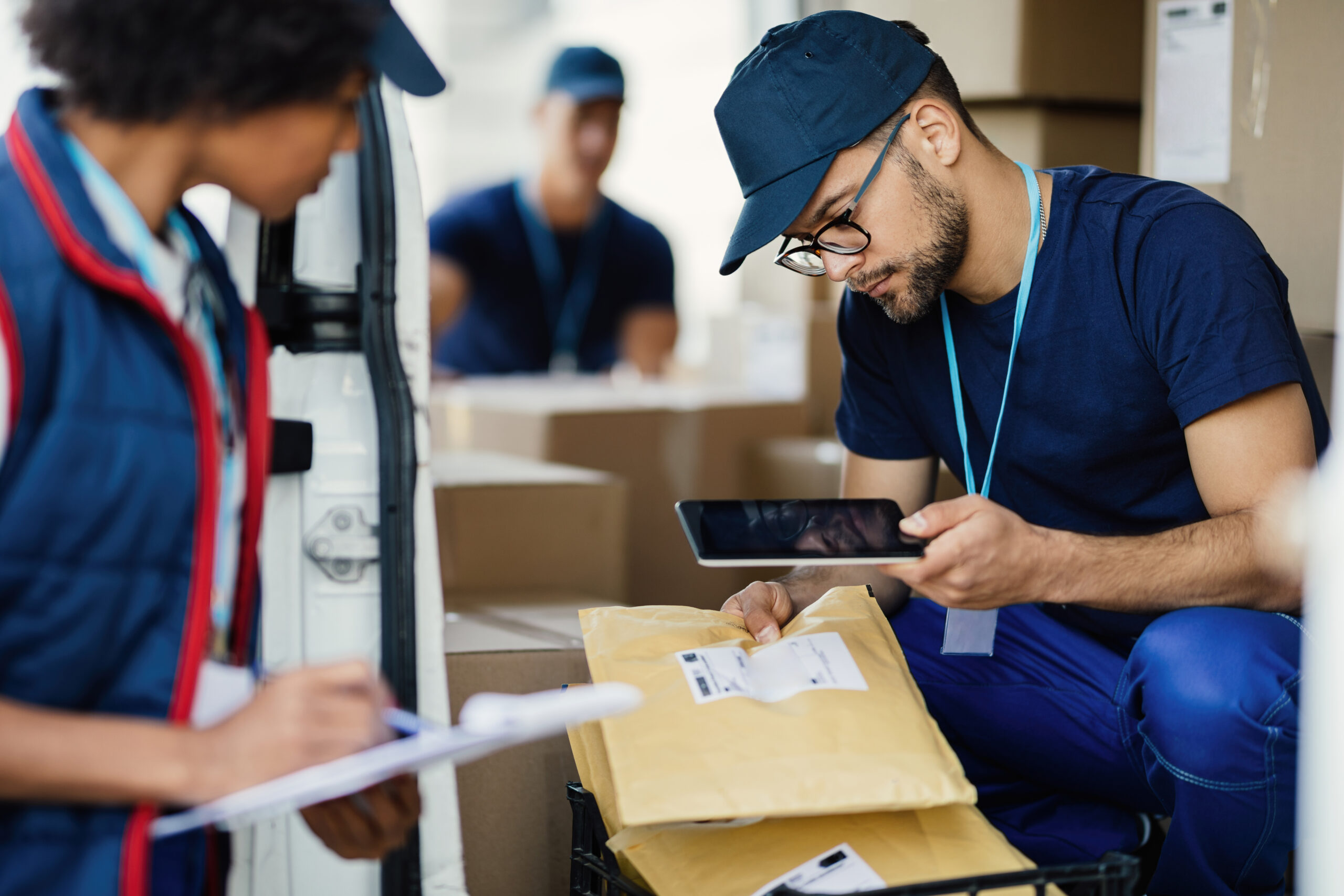
In-transit moves under bond in Canada and the United States, on our own authority, on one file.
Custom Clearance & Trade Compliance
Origin qualification, classification and duty relief handled by the same desk that files the entry.
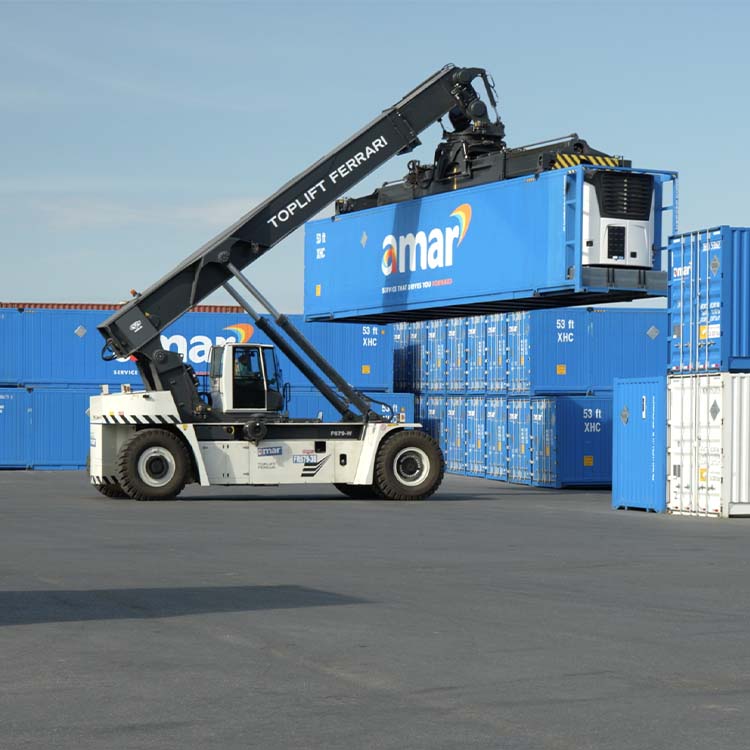
Inland Transport & Drayage
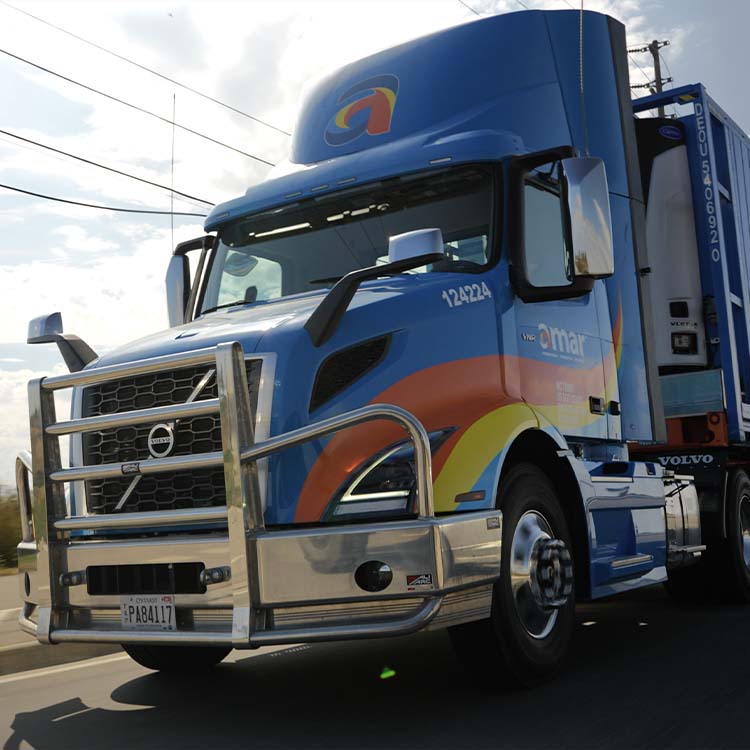
Position reported from the equipment itself, so an expeditor sees the truck rather than a status message that was true six hours ago.
Rail & IntermodalCross-border automotive freight usually collects a broker, a bonded carrier and a drayage company, each with their own file and their own version of where things stand.
Amar is all three. The entry, the bond and the truck sit inside one organisation, which removes the handoffs where cross-border shipments most often stall — and gives you one number to call when something needs to move faster than the paperwork.
The cost of a late part is never the freight bill. It’s the line, the shift and the schedule behind it — which is why automotive buyers audit the inland leg far harder than the ocean leg, and why a forwarder who can’t say which truck has the freight right now tends not to keep the account.
Amar moves parts and machinery on specialized equipment — flatbeds, flat racks, multi-axle chassis and permitted overweight configurations — with bonded authority on both sides of the border and a customs desk fluent in CUSMA qualification. GPS on every unit means your expeditor watches the truck instead of asking us where it is.

Send us a lane, a commodity and a volume. A pricing analyst responds within one business day with pricing broken out by leg — ocean, customs, rail, drayage and storage — so you can see what each stage costs.
Common questions from automotive parts & machinery shippers.
No. Our automotive scope is parts, components and machinery. Complete vehicle logistics is a specialised sector with its own equipment and we don’t claim it.
Yes. Our customs desk handles CUSMA qualification, classification and duty recovery on the same file as the freight, rather than through a separate broker.
Yes. We hold bonded carrier authority in both countries and our terminals are CBSA-approved, so freight can arrive, ground, store and move inland under bond within one network.
Live GPS position from every power unit and every Amar-owned container, with exceptions surfaced to dispatch as they develop rather than after the fact.