
Planned alongside the build, not after it.
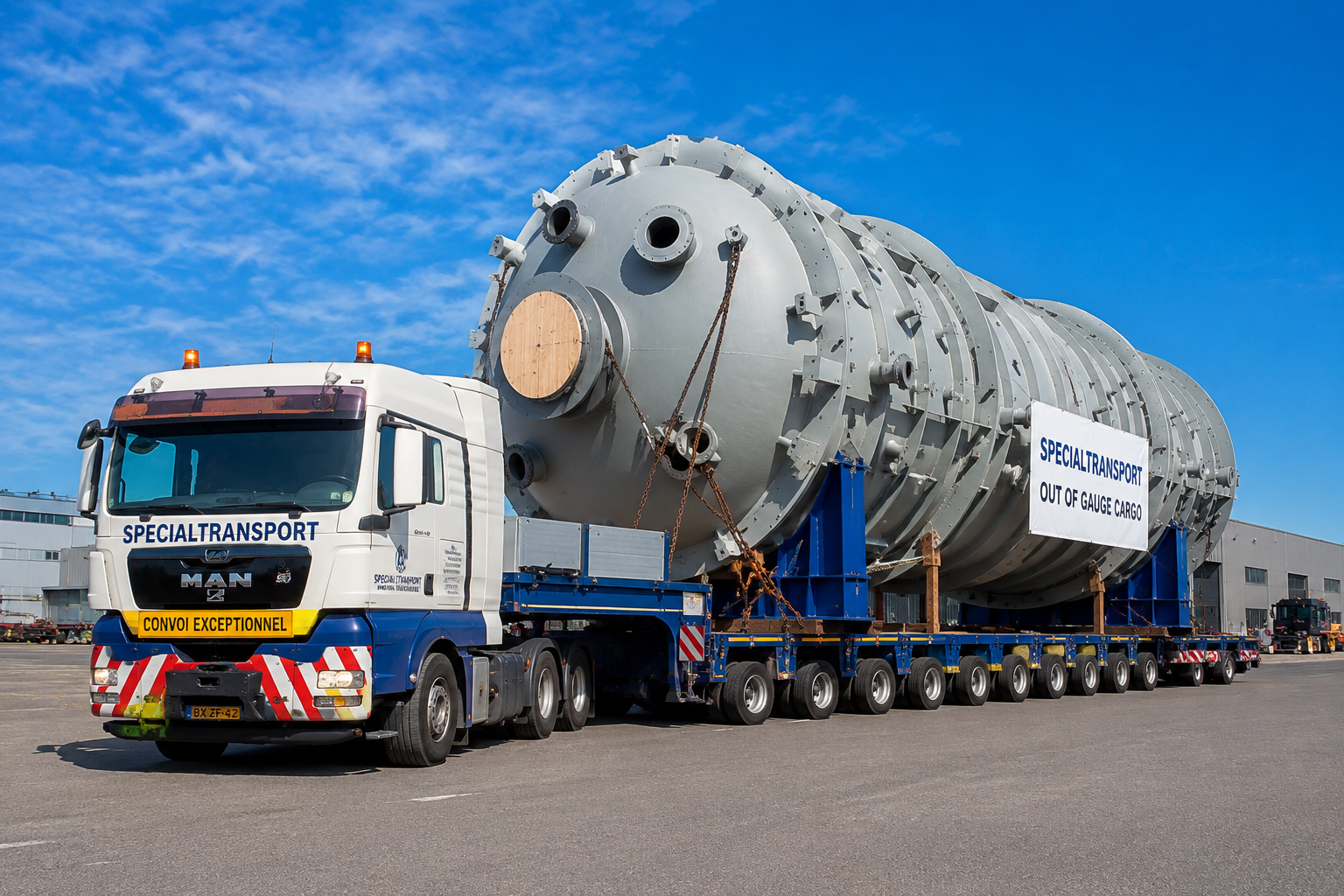
Plant relocations, turbine and transformer movements and industrial equipment planned as a single end-to-end movement.
Specialized Cargo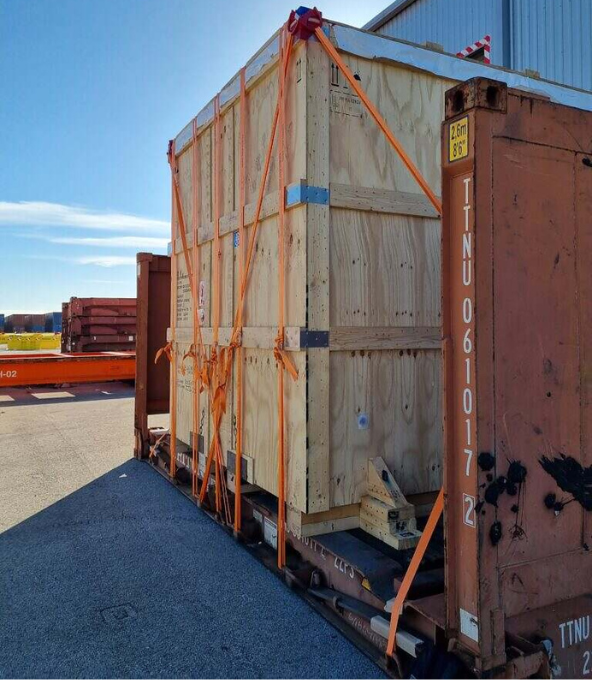
Flat rack, open top, multi-axle and permitted overweight configurations, with the corridor engineered before the rate is confirmed.
Ocean Freight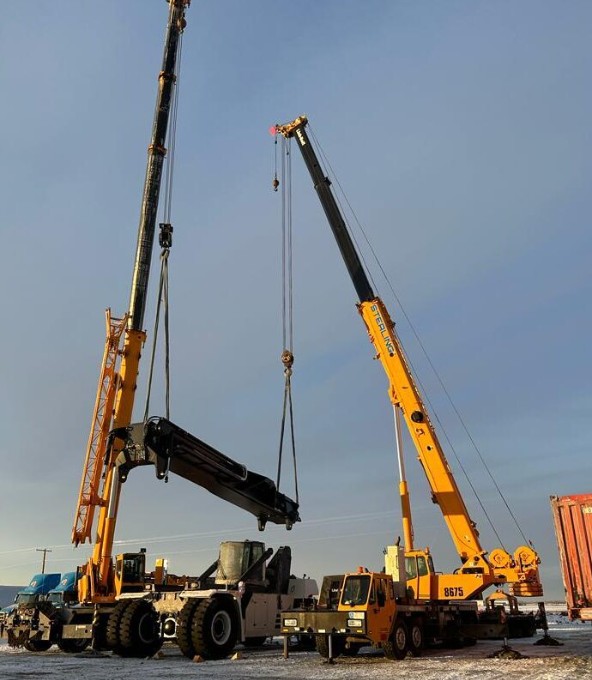
Handling for wheeled, craneable and non-containerised cargo that will not travel in a box.
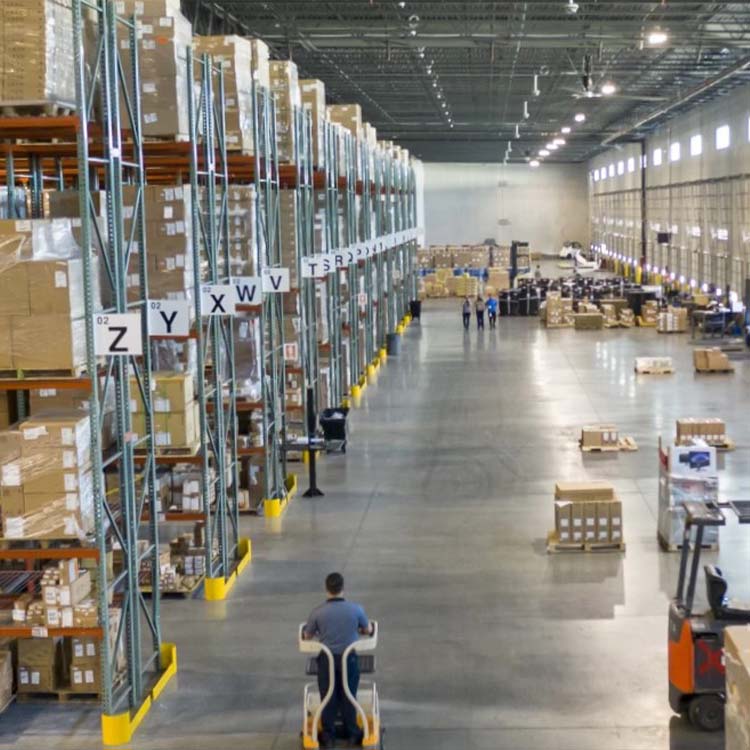
Warehousing & Distribution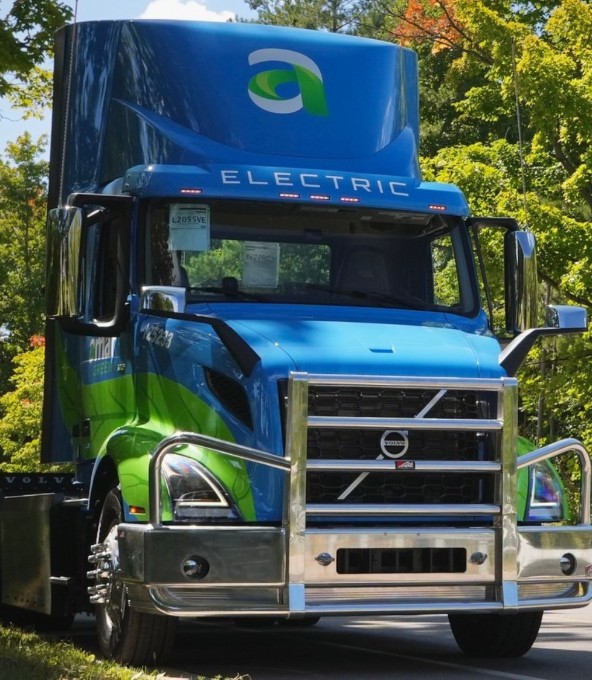
Staging in our own yards so equipment arrives into the crane booking rather than ahead of it.
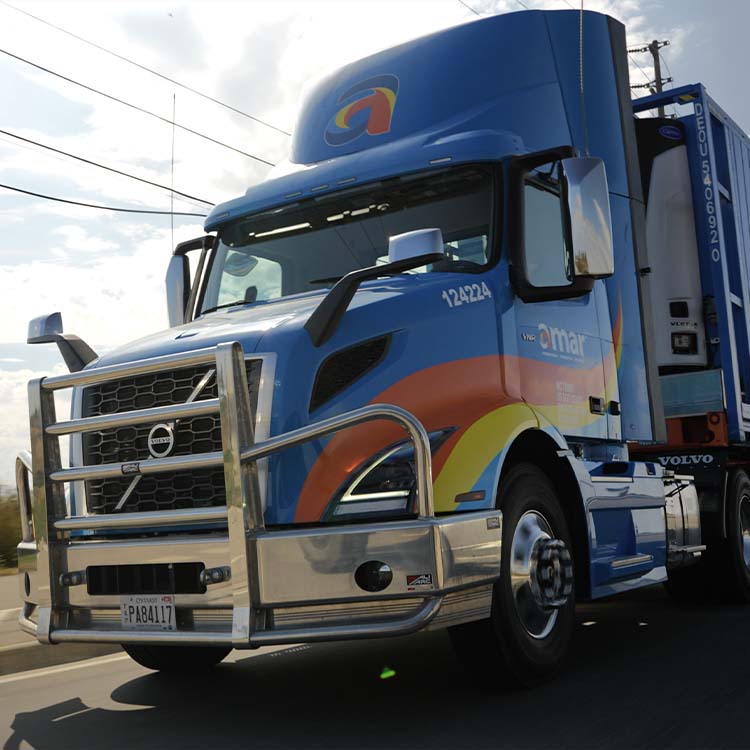
Inland Transport & DrayageThe usual problem on project freight is not late arrival. It is early arrival with nowhere to put it — equipment landing weeks before the site can receive it, accruing storage at a marine terminal and blocking the next movement.
Amar stages project cargo in its own yards across 300 acres, which turns the schedule into something we manage rather than something the terminal imposes. Equipment moves to site on the date the crew needs it.
Energy and infrastructure freight is scheduled against a build, not against a transit time. A turbine section, a transformer or a module of process plant arrives into a window defined by a crane booking, a road closure and a crew — and if it misses, the cost is a standing site rather than a demurrage invoice.
That makes the inland leg the constraint. Oversized and overweight equipment needs permits, engineered routing and the right configuration under it, and none of that can be arranged after the vessel arrives. Amar plans the inland move alongside the ocean booking, using equipment already in the fleet.

Send us a lane, a commodity and a volume. A pricing analyst responds within one business day with pricing broken out by leg — ocean, customs, rail, drayage and storage — so you can see what each stage costs.
Common questions from energy & infrastructure shippers.
As early as the equipment list exists. Route engineering and permitting drive the schedule far more than transit time does, and the cheapest changes are the ones made before the equipment is fabricated to a dimension the corridor will not take.
Yes. Flat rack, open top and breakbulk booking, plus RORO and LOLO handling for wheeled and craneable cargo, with the inland movement engineered as part of the same plan.
Yes, and this is usually where the money is. Staging in our own yards across 300 acres means the arrival date and the installation date do not have to match.
Route engineering and permitted configurations are handled internally. VERIFY: confirm whether formal route surveys are performed in-house or through a partner