
Condition and documentation, on one file.
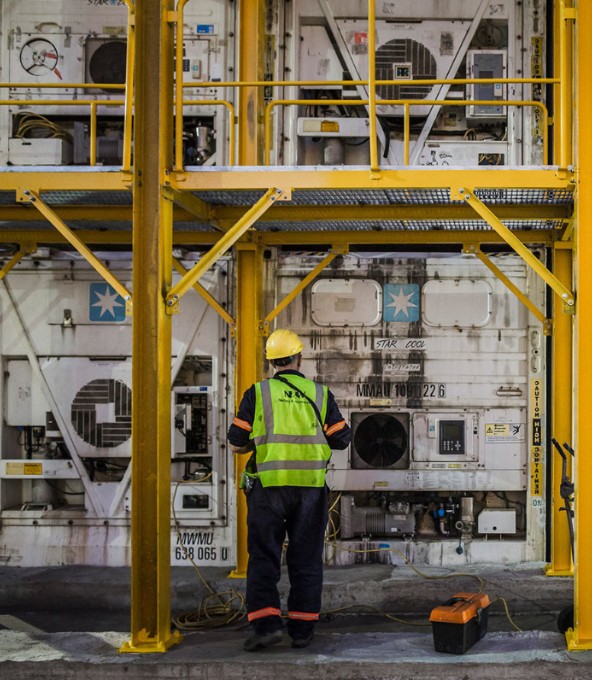
Genset chassis on the road and plug positions in our terminals, with drivers checking in transit and terminal staff checking on the ground. On Amar-owned containers, readings are also reviewed remotely.
Air Freight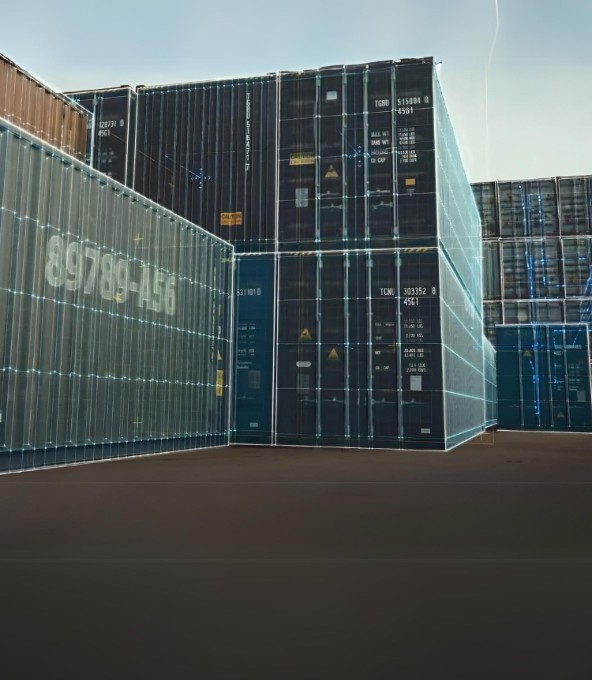
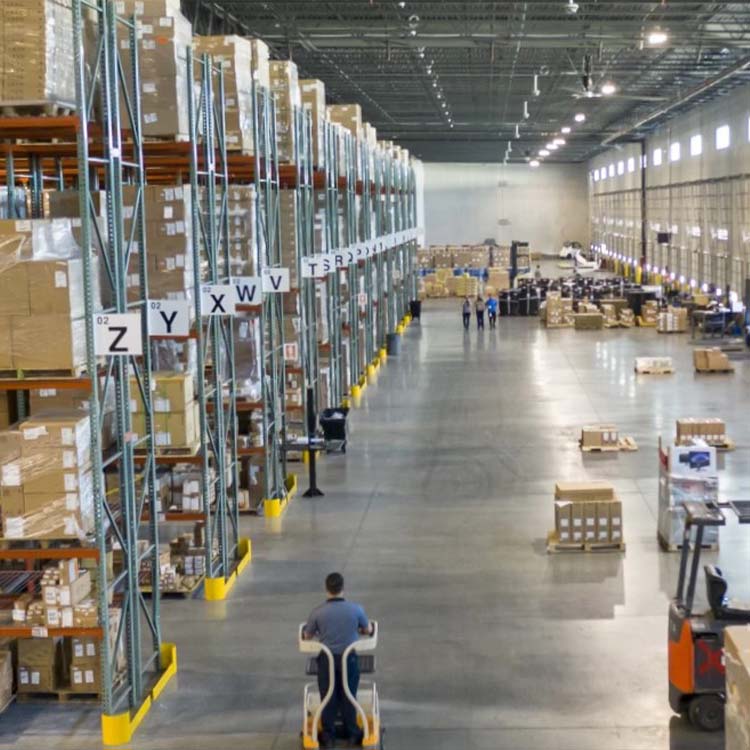
CBSA-approved space holding product under bond while release, testing or authorisation is completed.
Warehousing & Distribution
Canadian entries filed under our own CBSA licence, with classification and valuation handled by the same team that moves the freight.
Custom Clearance & Trade Compliance
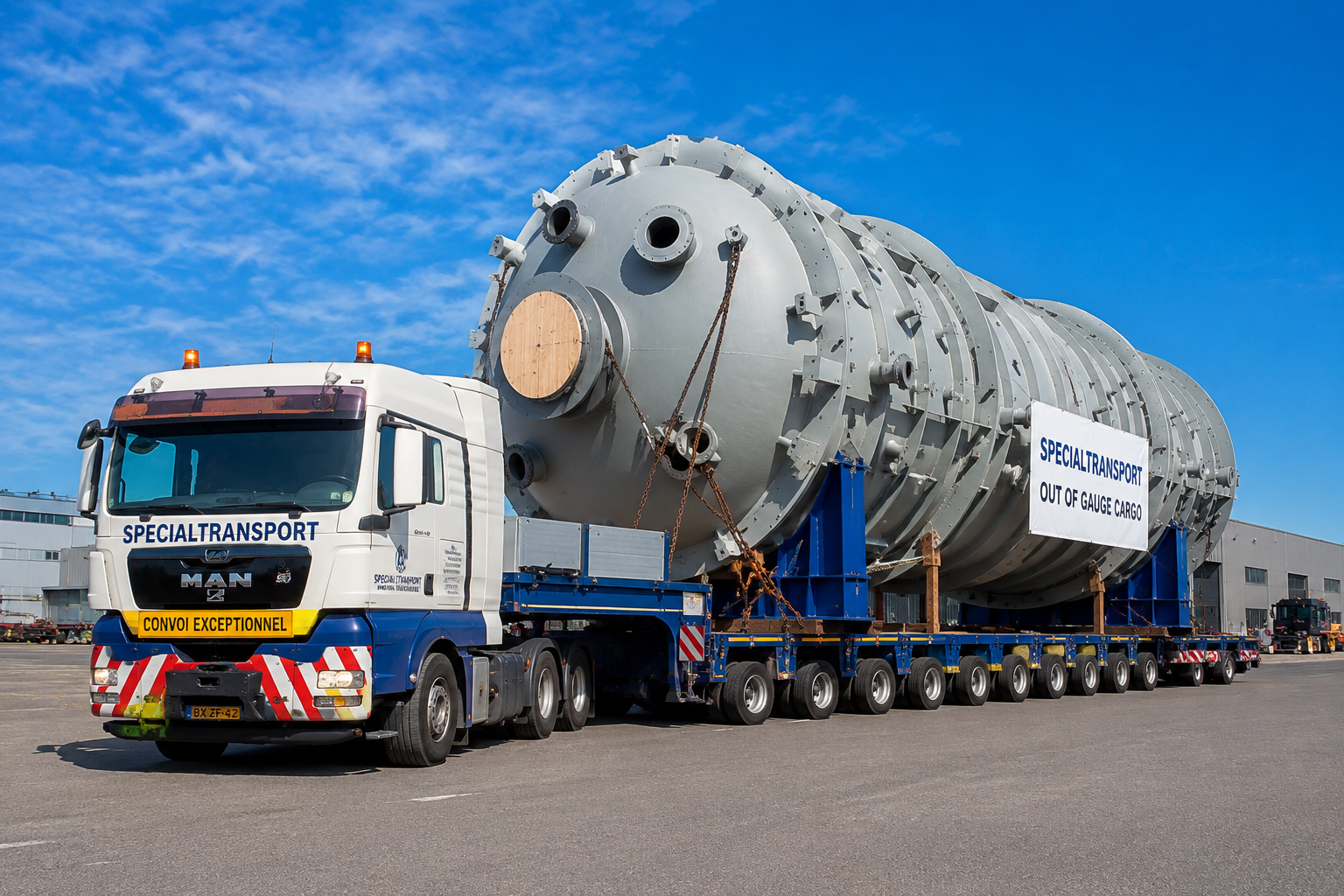
High-value, controlled and sensitive product handled within one network, with GPS position on every unit.
Specialized CargoThe question a healthcare buyer asks is not whether you moved it, but whether you can show how. Temperature history, custody and entry documentation have to reconcile — and they have to reconcile across every company that touched the shipment.
Amar reduces the number of companies that touched it. The inland leg, the storage and the customs entry sit inside one organisation, which means one record rather than three that have to be stitched together after the fact.
Healthcare freight is judged on two things at once: whether it cleared, and whether it held condition while it did. A shipment can clear the border cleanly and still be rejected at the receiver if the temperature record has a gap in it.
Amar handles both on one file. Genset equipment and monitored terminal storage cover the physical chain, our own clearance desk covers classification, valuation and Canadian entry, and bonded terminals hold product until release is authorised rather than forcing a decision at the border.

Send us a lane, a commodity and a volume. A pricing analyst responds within one business day with pricing broken out by leg — ocean, customs, rail, drayage and storage — so you can see what each stage costs.
Common questions from healthcare & medical devices shippers.
The standard operating range of marine reefer equipment, approximately −25°C to +25°C, across the genset fleet and the plug positions in our terminals.
Drivers check reefer settings in transit and terminal staff check units on the ground against the set point. On Amar-owned containers we also review readings remotely. On carrier-owned equipment, monitoring is by physical check rather than telemetry, and we will say so on the file rather than imply otherwise.
Yes. Our terminals include CBSA-approved bonded space, so product can be held under bond while release, testing or authorisation completes, deferring duty in the meantime.
Yes. Secured, monitored facilities and GPS position on every unit support high-value handling through to delivery.