
Where the temperature record is actually kept.
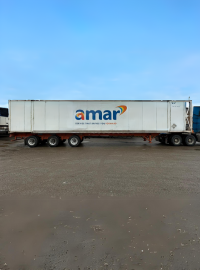
Powered chassis on the road leg, so the box never travels on borrowed equipment between the port and the plug.
Ocean Freight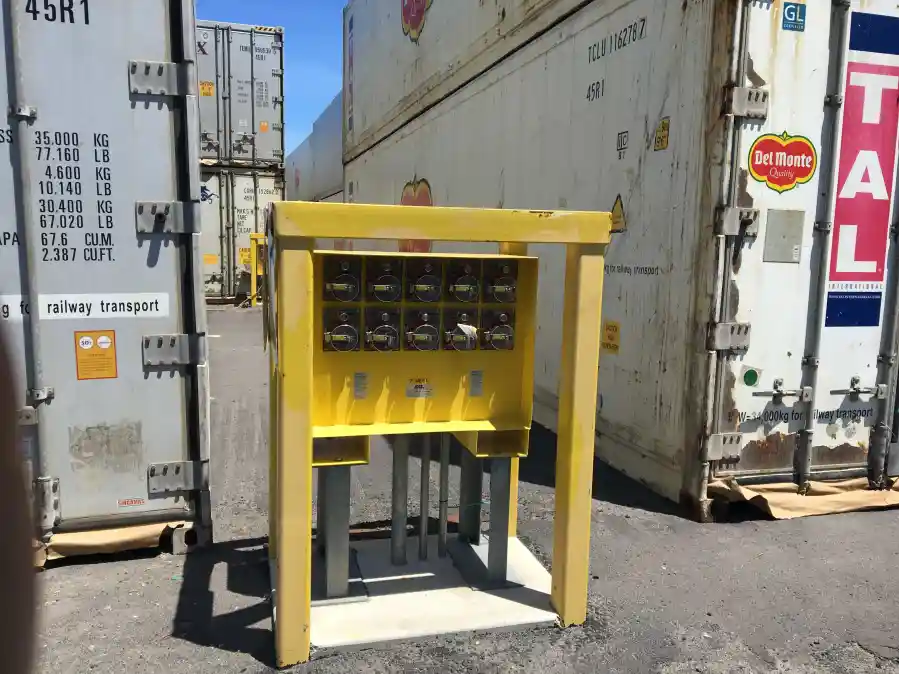
Powered positions across the terminal network — capacity to hold temperature-controlled freight, not just move it.
Warehousing & Distribution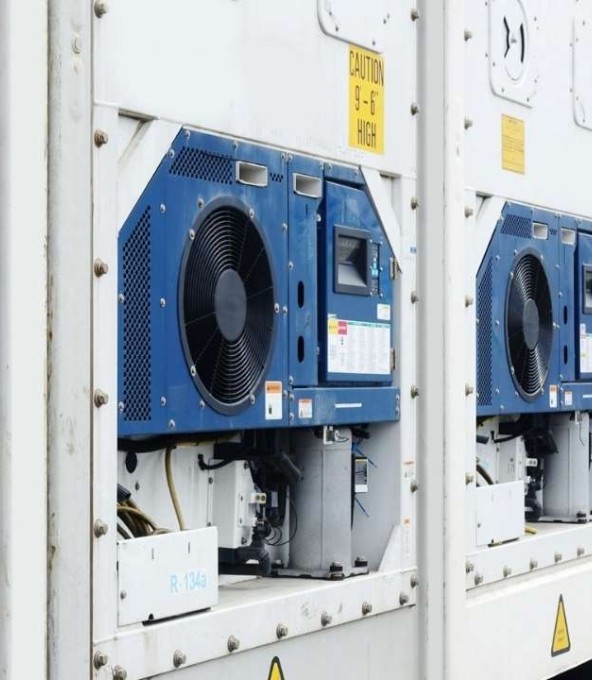
Checks logged on a fixed cycle at every Amar facility, so the record is a record rather than an assumption.
Container Depot & Equipment Services
CBSA-approved space holding duty-sensitive product until release timing suits your finance calendar, not the terminal’s.
Specialized CargoThe dray, the chassis, the genset, the yard and the plug are all Amar. One company’s name sits on the temperature record for the entire inland leg, and one company answers for it.
It also changes what happens when something does go wrong. A reefer that alarms overnight in a subcontractor’s yard becomes a phone tree. In ours it becomes a swap, because the spare equipment and the people who move it are on the same site.
Cold chain problems rarely start with the equipment. They start in the gaps — the hours between vessel discharge and the plug at the warehouse, when the container is sitting on a subcontracted chassis with no genset under it and nobody’s name on the temperature record. By the time the reefer download is read at the receiver, the conversation is about whose leg it happened on.
Amar closed the gaps by owning both ends of them. Our genset chassis power the box on the road, our own terminals plug it in and check it every four to six hours, and our bonded terminals hold excise and duty-sensitive goods until the timing works. From a brewer’s kegs to a grower’s first export container, the freight has one custodian and one temperature record.

Send us a lane, a commodity and a volume. A pricing analyst responds within one business day with pricing broken out by leg — ocean, customs, rail, drayage and storage — so you can see what each stage costs.
Common questions from food & beverage shippers.
Our genset fleet and plug capacity cover the standard operating range of marine reefer equipment, approximately −30°C to +30°C, across the network.
Yes. Our terminals include CBSA-approved bonded terminals, so duty on excise and duty-sensitive product is deferred until you take release — useful when landing dates and selling dates don’t line up.
The monitoring cycle catches it and dispatch sits on the same site as the equipment. Because the yard, the spare gensets and the crew are all ours, the usual response is a re-plug or a swap rather than a claim in the morning.
Yes. We position empties from our own depots for exporters, dray from processor to ramp, and file export documentation through our in-house customs desk.