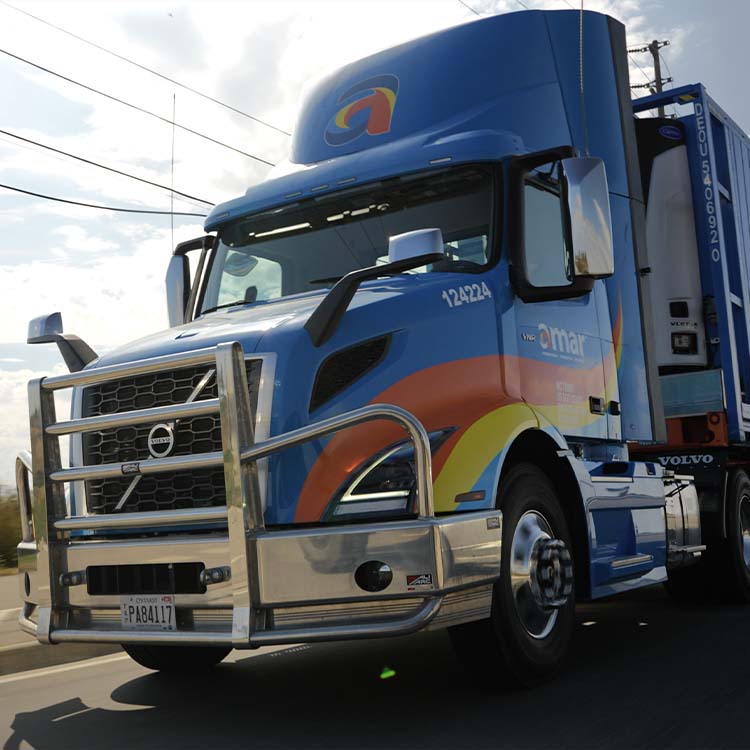
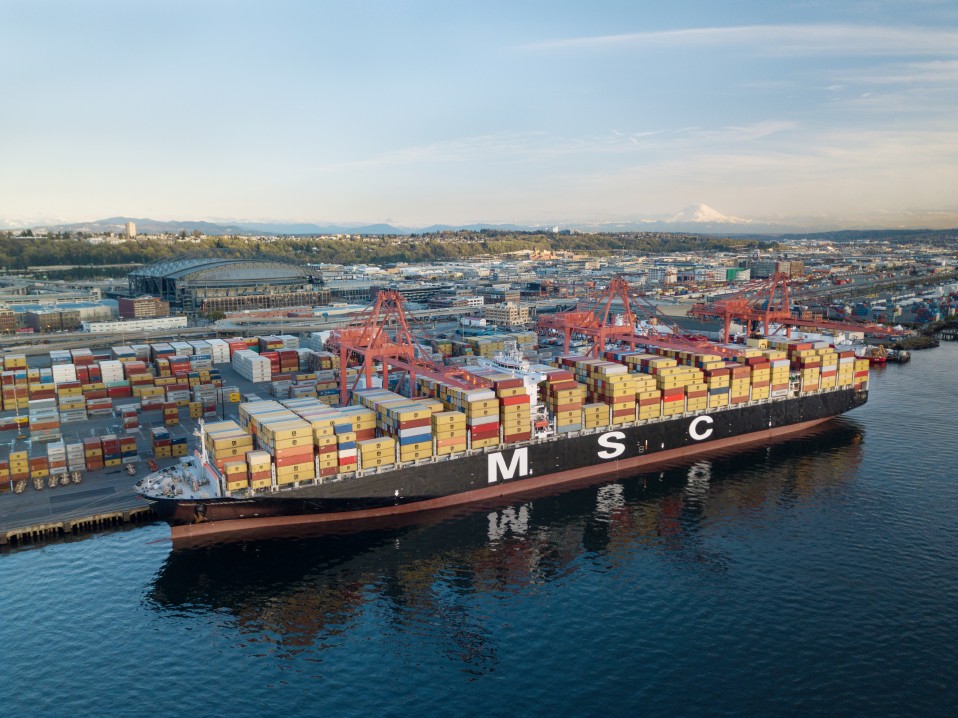
Amar Group manages the shipment from booking through to delivery: carrier selection and contract rates on the head-haul, documentation and customs entry while the vessel is on the water, and our own trucks and chassis waiting when the box hits the rail ramp or the terminal gate.
Contracted customers hold committed space and equipment on the trades they ship, so capacity is arranged ahead of the season rather than negotiated during it.
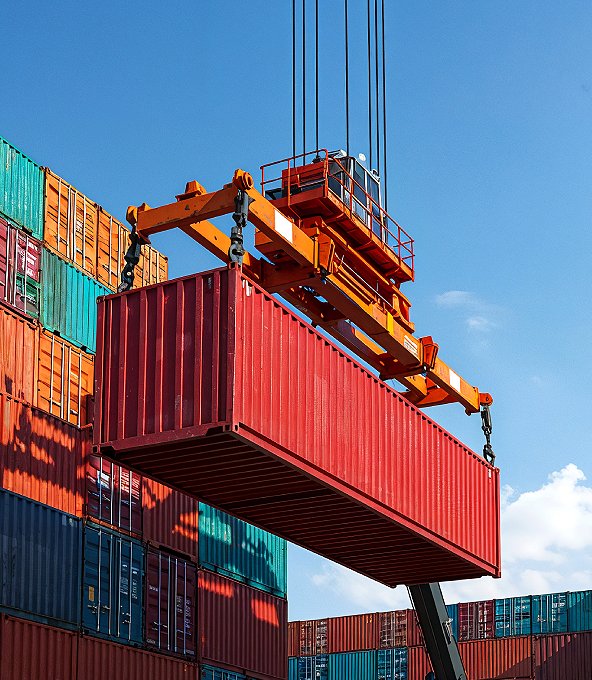
Port-to-port or door-to-door, 20′ to 53′, dry and reefer, on the principal trades worldwide.
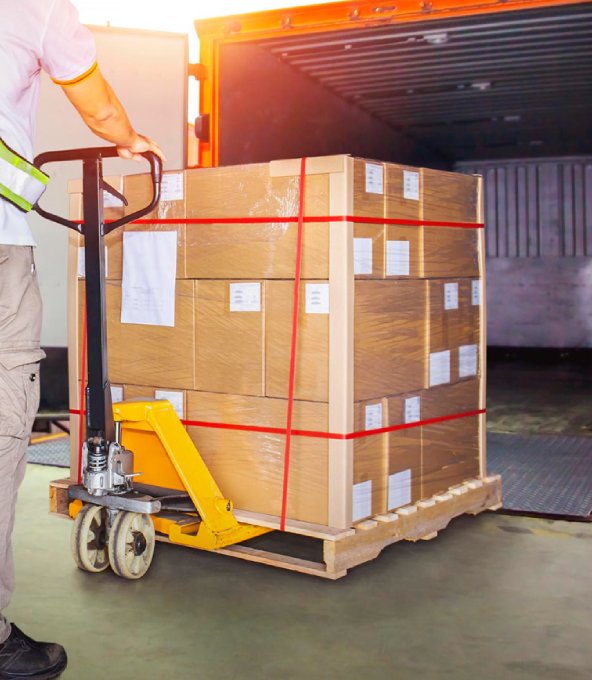
Weekly consolidated services from principal gateways worldwide through our consolidation partner network.
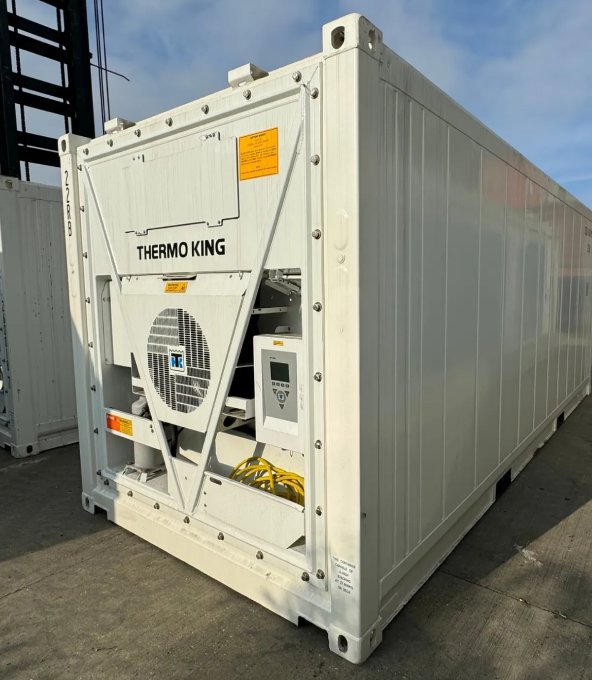
Genset-supported cold chain from vessel to door — one of the few forwarders that owns its reefer capability end to end.
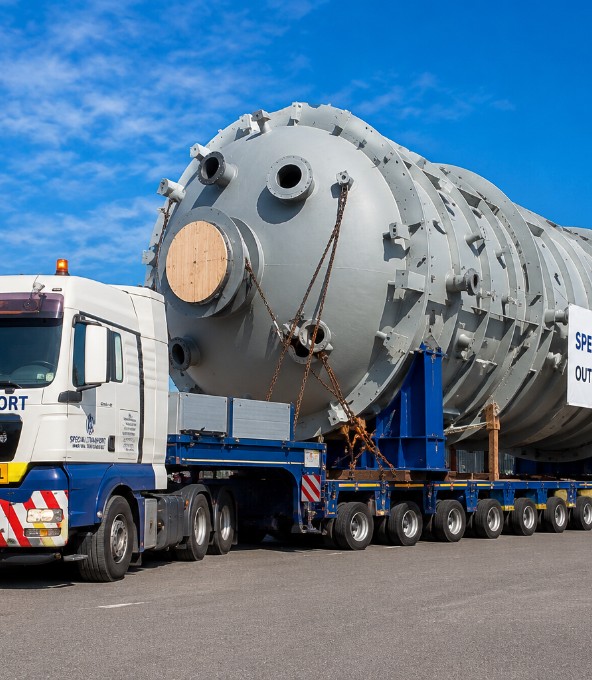
Flat rack, open top and breakbulk booking with route engineering for the inland move.
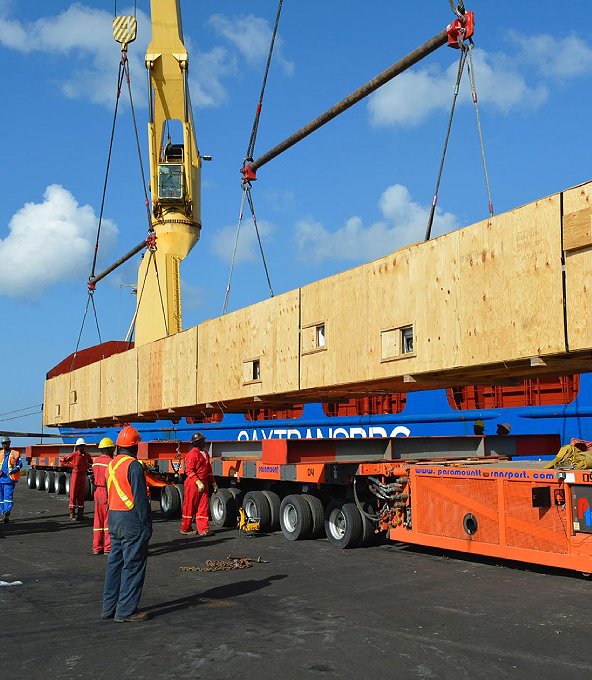
Heavy-lift, oversized and project shipments planned as a single movement, with the inland routing engineered alongside the ocean leg.
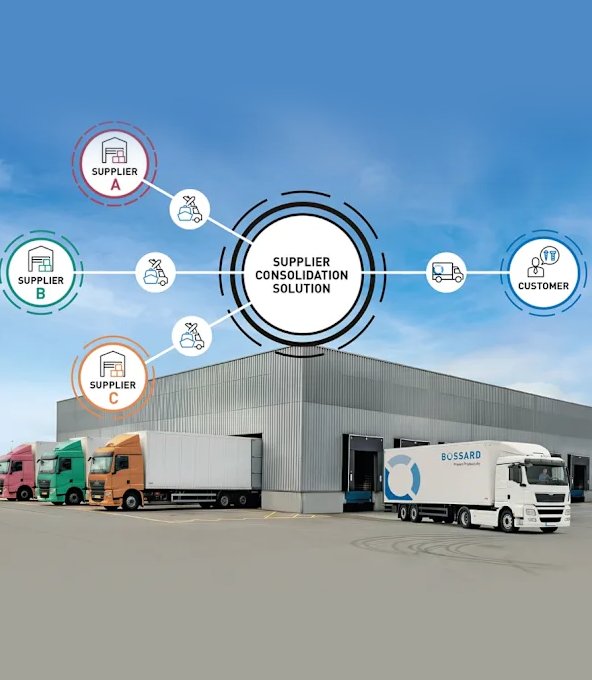
Multiple origin suppliers into one container, and container to order at destination, handled through our consolidation partner network.
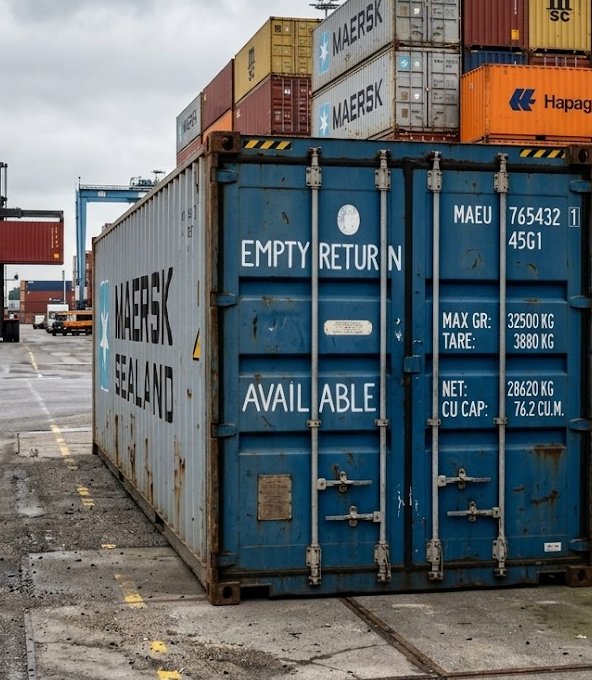
Your carrier’s box returns to our depot, not a congested port — demurrage and detention managed inside our own yard.
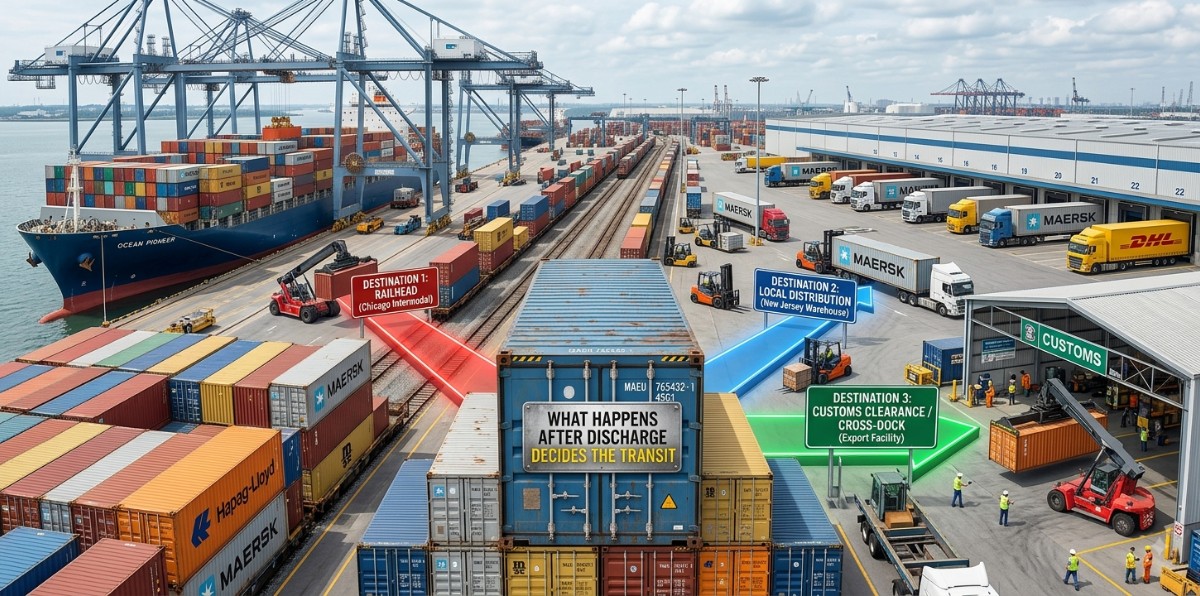
Industry average dwell after discharge is where transit promises die: waiting for a subcontracted dray, waiting for a chassis, waiting for a yard slot. Amar removes all three waits because all three assets are ours. Boxes move off-dock on our schedule, ground in our yards, and deliver on the day we committed — which is why contracted customers get a delivery date rather than a window.


Lane, commodity, volume in; pricing out, broken out by leg.

Carrier space, equipment and documentation handled by your Amar file owner.

Our customs desk files the entry while cargo is on the water.

Amar truck, Amar chassis, your dock, on the date.
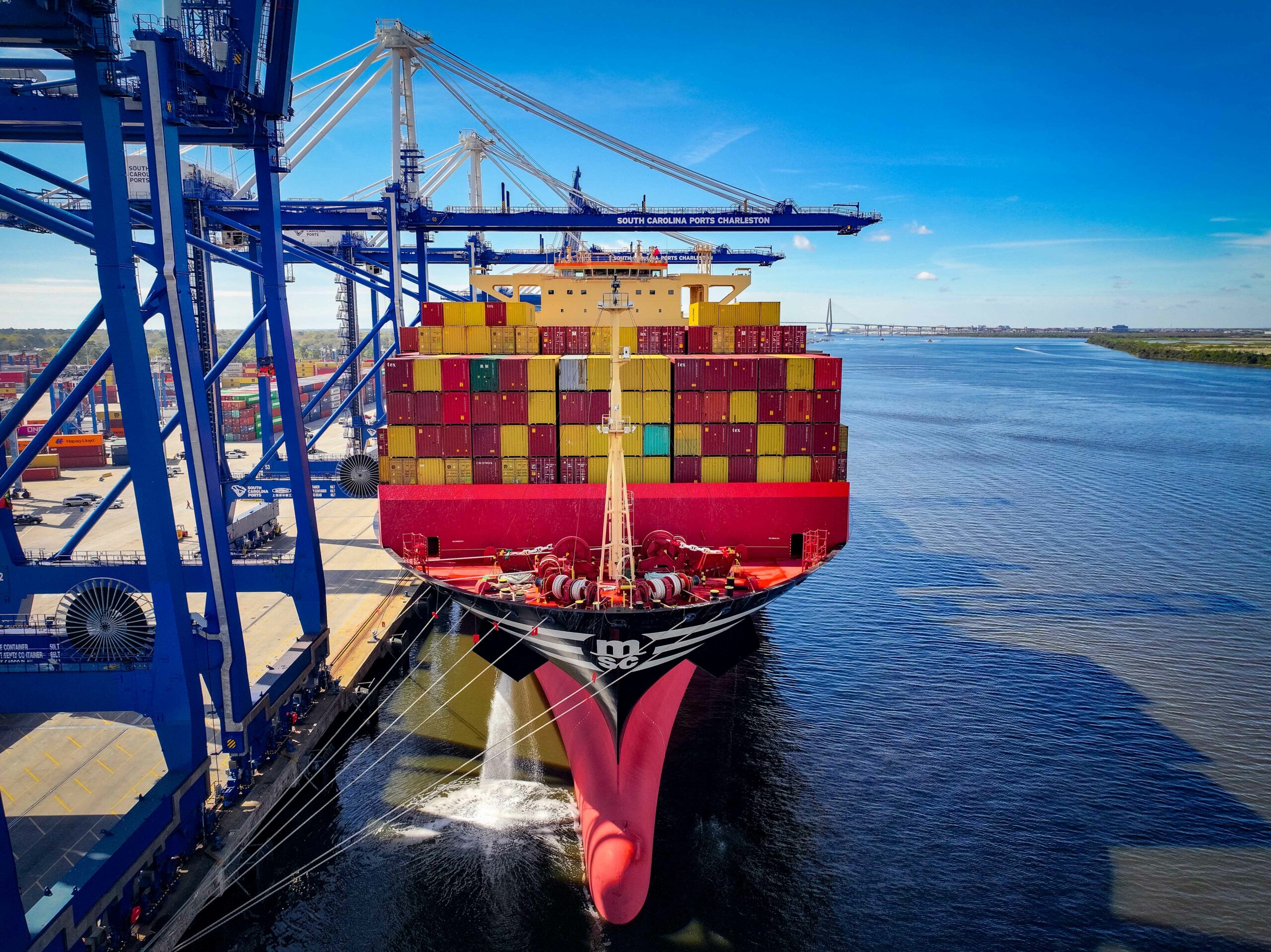
Partner with a logistics provider that combines global reach with real operational control across North America.
Contact Amar Group today to discuss your next shipment.
The principal East–West and North–South trades. Transpacific through the Port of Vancouver, the Port of Prince Rupert and the Ports of Los Angeles and Long Beach; transatlantic through the Port of Montréal, the Port of Halifax and the Port of New York and New Jersey; Middle East and Indian subcontinent via East Coast gateways; and Oceania, Africa and South American trades through our regional headquarters and agent partners. Send the lane and we will confirm routing and transit.
On Canadian trades we issue house bills under CIFFA Standard Trading Conditions; on US trades cargo moves under carrier or partner-NVOCC bills.
Yes. Our customs desk and owned delivery network allow Amar to quote DDP to door with each element of the cost set out.
No minimum. Spot shipments and contract programmes are both welcome — send the lane and the volume and we will price it.


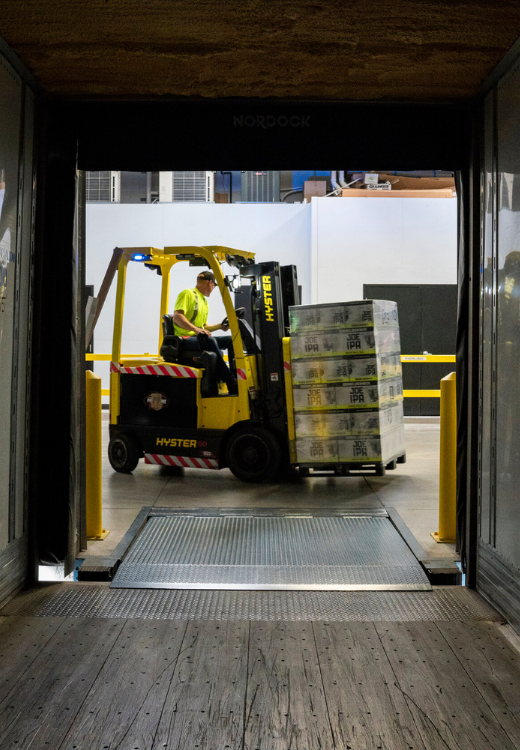
Send us a lane, a commodity and a volume. A pricing analyst responds within one business day with pricing broken out by leg — ocean, customs, rail, drayage and storage — so you can see what each stage costs.